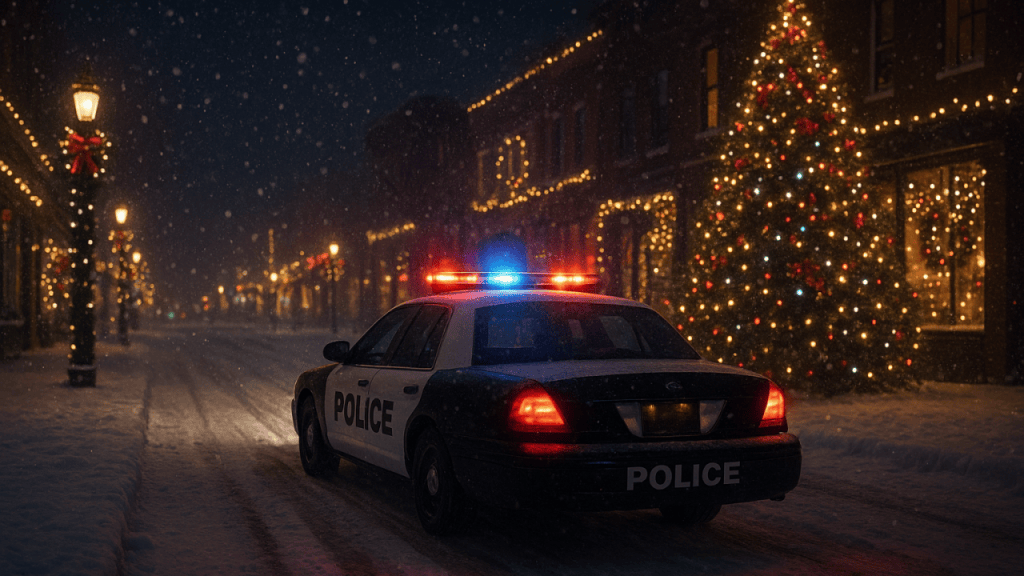
Public safety leaders sometimes overlook how the holiday season reshapes the stress landscape for first responders. It’s not just that the work gets harder. It’s that the gap between what the public expects emotionally and what first responders actually experience gets wider. Leaders who don’t track this shift risk missing early signs of burnout, depression, or dangerous coping behaviors among their own people.
The holidays bring an increase in tragedies that hit harder than usual. Responders may find themselves handling domestic violence incidents that erupt during strained family gatherings. They might respond to mental health crises rooted in loneliness or despair. They could encounter accidental deaths or suicides that families never saw coming. Any of those events can leave lasting emotional residue. You know that part well. What leaders sometimes ignore is how the context of the season intensifies the impact. It’s one thing to handle a critical call in July. It’s another when it happens beside a Christmas tree.
At the same time, the routine pressures of the public safety world don’t let up just because the calendar says it’s a holiday. Officers still work nights, still miss their kids’ school events, still juggle overtime demands, and still absorb the emotional labor of dealing with people on their worst days. Isolation creeps in easily. Depression and anxiety spike when someone feels disconnected from their own family during a time when everyone else seems to be celebrating. If you pretend that these pressures are simply part of the job, you’re ignoring what decades of research and on-the-ground experience make obvious. These stressors accumulate, and the holidays accelerate the process.
Substance abuse is the predictable escape hatch when people feel stuck. Alcohol and drug misuse aren’t caused by the holidays, but the season can push already strained responders toward riskier behavior. Here’s where leadership failure becomes painfully obvious. Responders often don’t lack resources. They lack trust. They’ve seen wellness programs framed as check-the-box requirements rather than tools built for real people with real problems. They’ve heard leaders preach “we care” while remaining emotionally absent. If you want your message to ring true, you need to say plainly that leaders are responsible for making support usable, not just available.
Leaders can’t control every stressor. They can control their own posture. That starts with paying attention. Actually paying attention. Watch for social withdrawal. Notice irritability in someone who’s normally even-keeled. Look for changes in sleep habits, appetite, or alcohol use. Don’t rely on annual training or a generic EAP flyer. Healthy organizations catch issues early because supervisors stay close to their people.
Leaders should also reduce the stigma around getting help. If responding to a disturbing call affects someone deeply, pretending otherwise is cowardice masquerading as toughness. Leaders need to model vulnerability. They need to say openly that therapy, peer support, and talking through trauma aren’t signs of weakness. They’re signs of professionalism. If you won’t say that explicitly, your crews will assume you don’t mean it.
When looking at resource options keep it simple and credible. Peer support teams are often the most approachable. Clinicians who understand police, fire, and EMS culture should be the next layer. State-funded crisis hotlines can fill immediate gaps. Some regions offer first responder-specific crisis response teams or traumatic incident programs. If chaplains or vetted spiritual support providers are part of your agency’s culture, they belong in the mix. What matters is clarity. Responders shouldn’t have to guess where to turn when they’re not OK.
The bottom line is straightforward. Public safety leaders have a responsibility to make sure their people don’t navigate the hardest season of the year on their own. If you stay engaged, create a culture where help isn’t feared, and push resources that your responders actually trust, you’ll prevent more harm than any generic wellness campaign ever could.
(c) 2025 Deano L. McNeil. All rights reserve.
I enjoy sharing my thoughts and experiences through these articles. If you’ve found something worthwhile here and would like to support my writing, you’re welcome to buy me a coffee. There is no obligation, and the articles will remain freely available.


Leave a Reply